Beekeeping
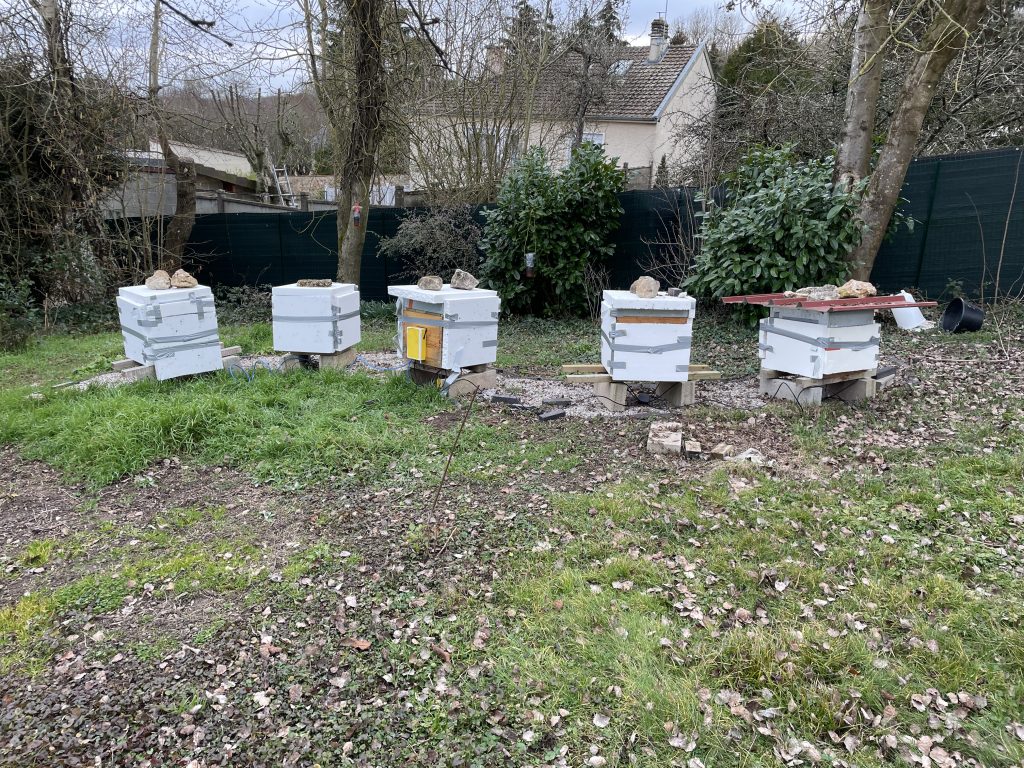
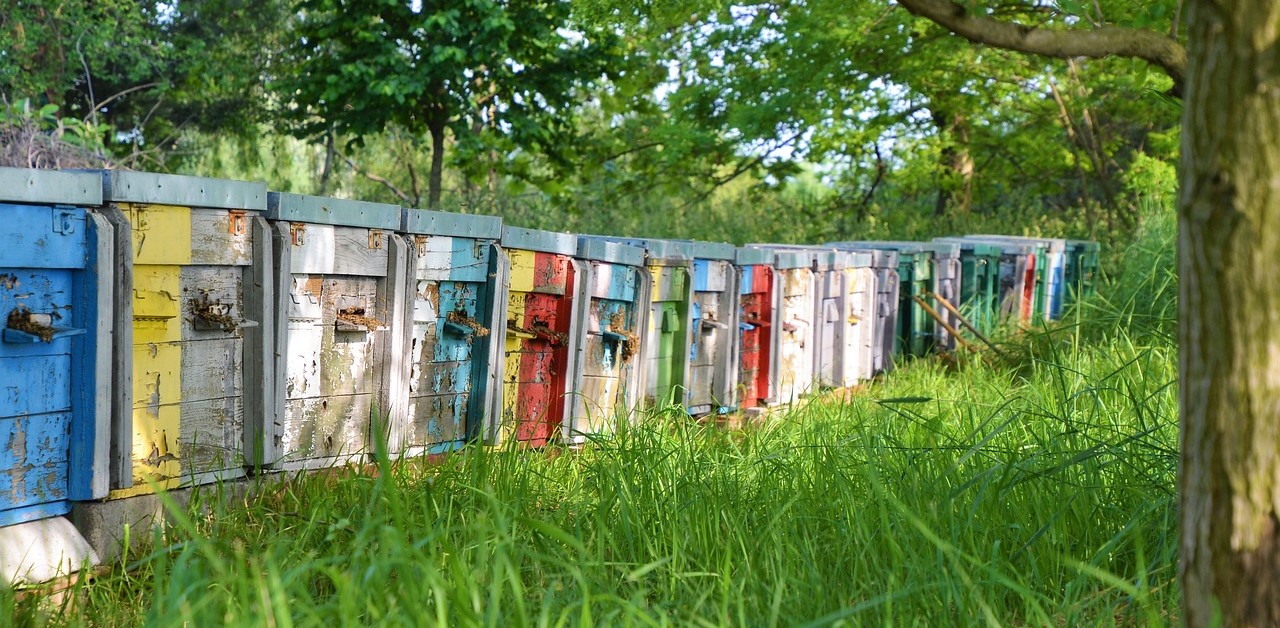
It all started in 2019. A friend of my parents, who had a hive but no land, offered to set it up in our garden. My mother and I then decided to buy bee suits so we could take part in the hive inspections. Things moved quickly: we bought our first hive, then a second, and today we have five.
Beekeeping is not something you can improvise! Motivated, we bought books, watched videos online and, above all, learned from our mistakes. The first year was the most expensive: buying a swarm from a beekeeper, a hive, the equipment for inspections and everything needed to extract the honey. But the results were there: more than 40 kg of honey in the first year with 2 hives. Over the years we have collected wild swarms and increased production every year. That is how the idea of starting my own business to sell my honey was born!
My work as a beekeeper:
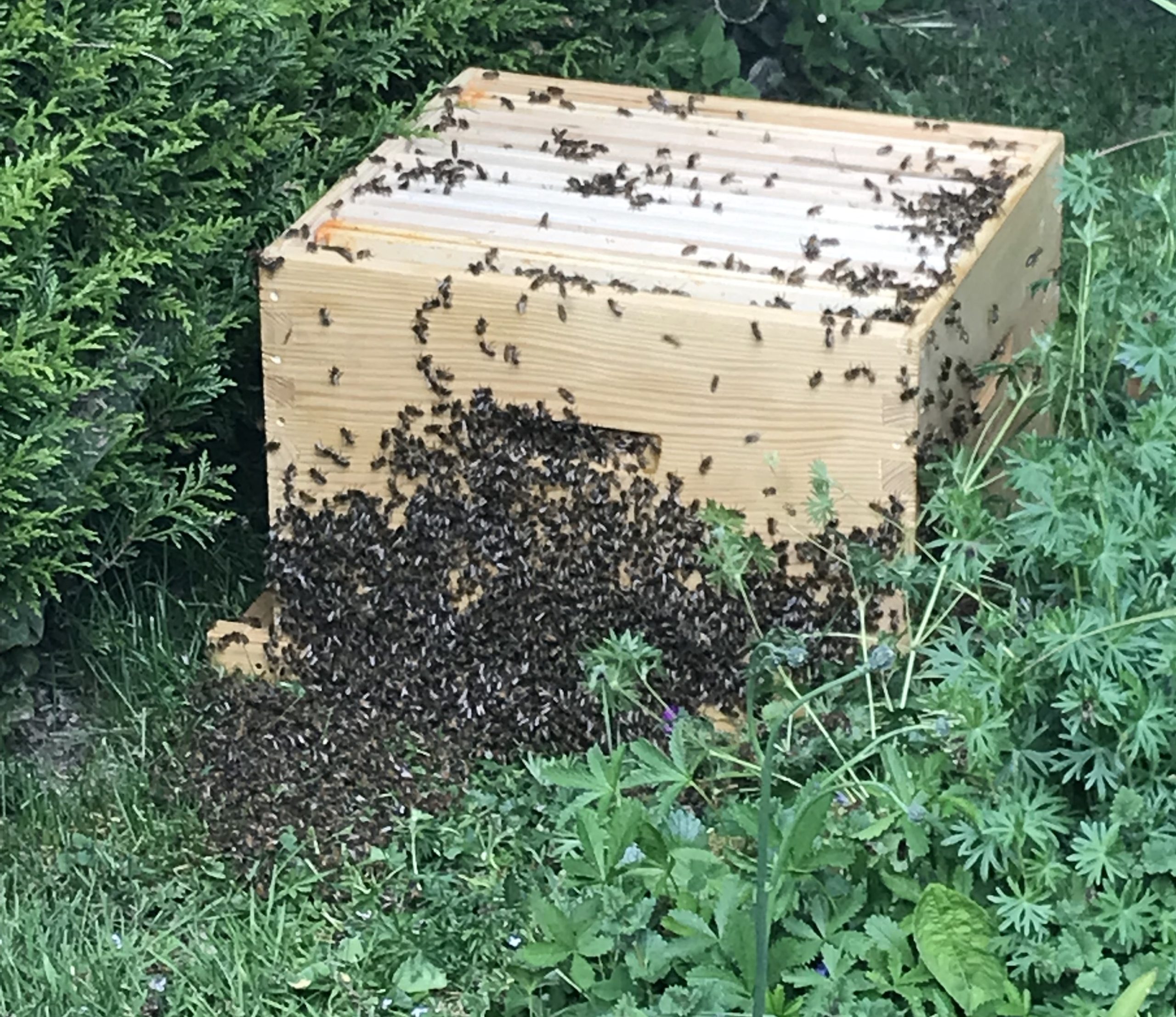
Producing swarms is very important to get more hives, renew colonies and achieve the best honey yield. Experienced beekeepers raise queens, but that method is still complex for me. There are other options, such as natural reproduction. A colony may decide to raise a queen in order to split, which produces a wild swarm that I collect from trees, chimneys and so on.
Wild swarm
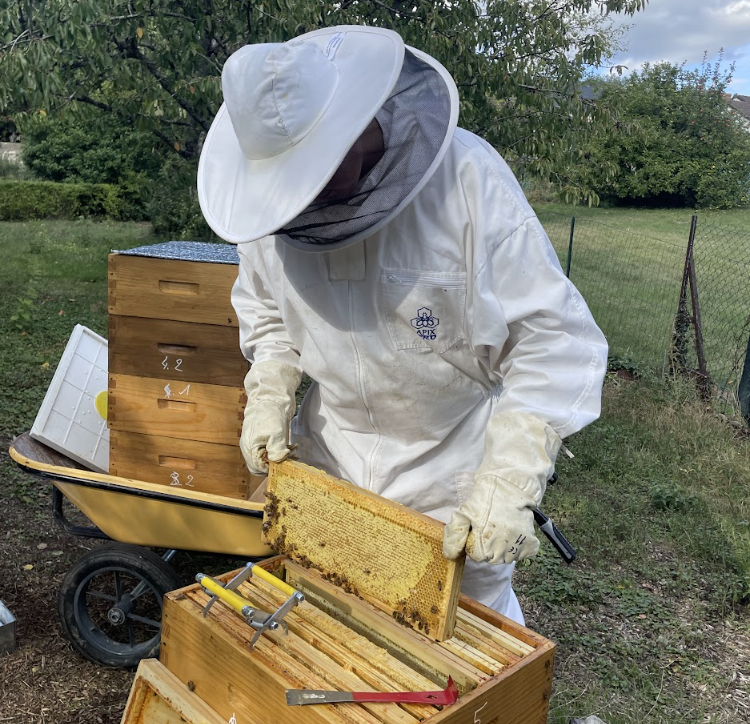
Hive maintenance means checking the honey and pollen stores to make sure the bees have enough food. It also lets me follow the growth of the colony, the brood and honey production, and watch for diseases and parasites. Hives are inspected once or twice every two weeks, from March to October.
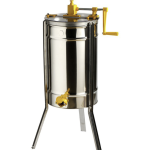
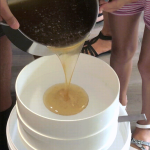
Honey is harvested when the frames are full and capped (sealed with a thin layer of wax over the cells). We then remove the supers, clearing the bees off. Next we remove the thin wax layer with a knife, extract the honey with a centrifuge, filter it and put it in jars.


Finally, we prepare the hives for winter. We start by treating them against the Varroa mite and checking the honey stores. If needed, we add sugar blocks. I also add polystyrene for insulation.
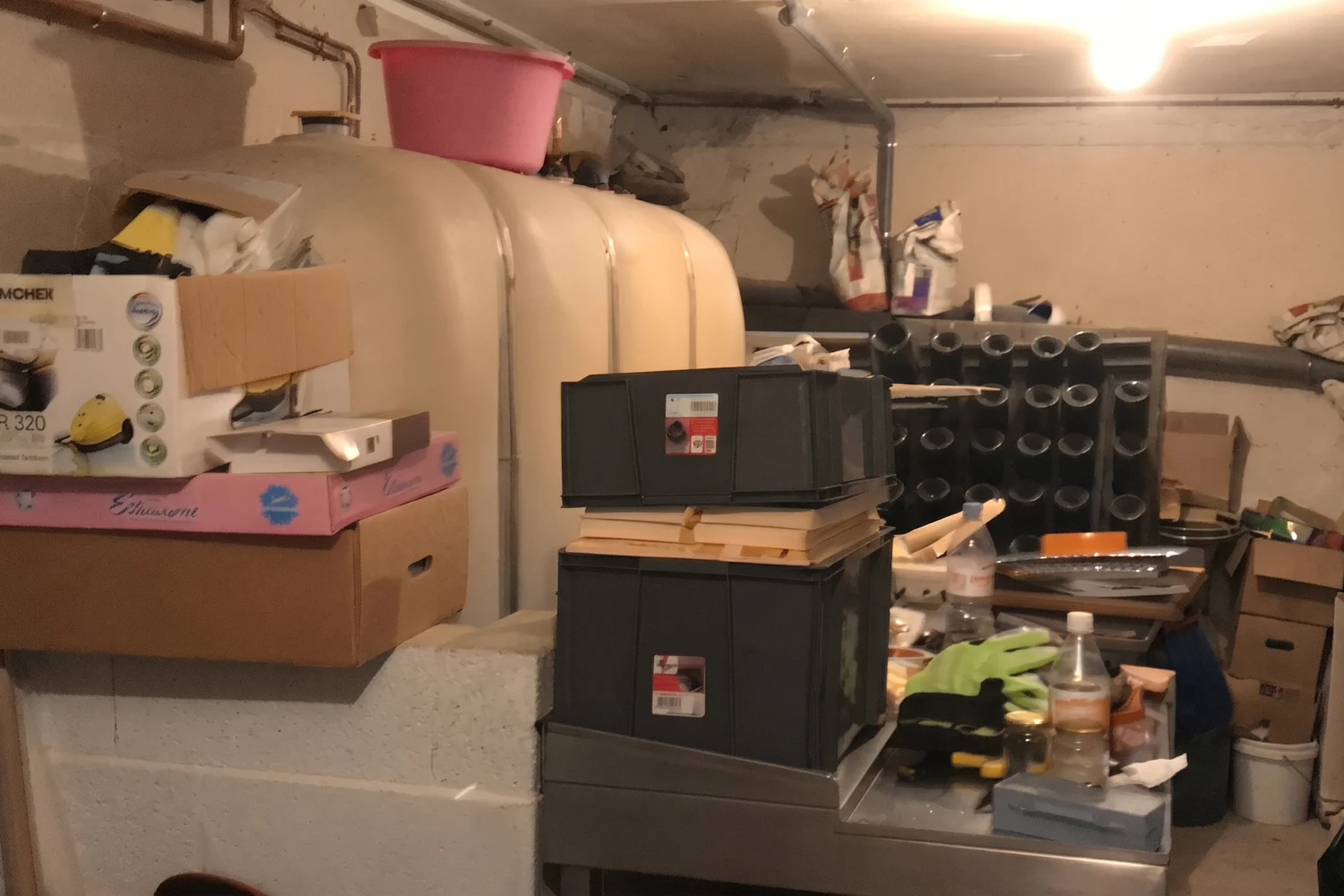
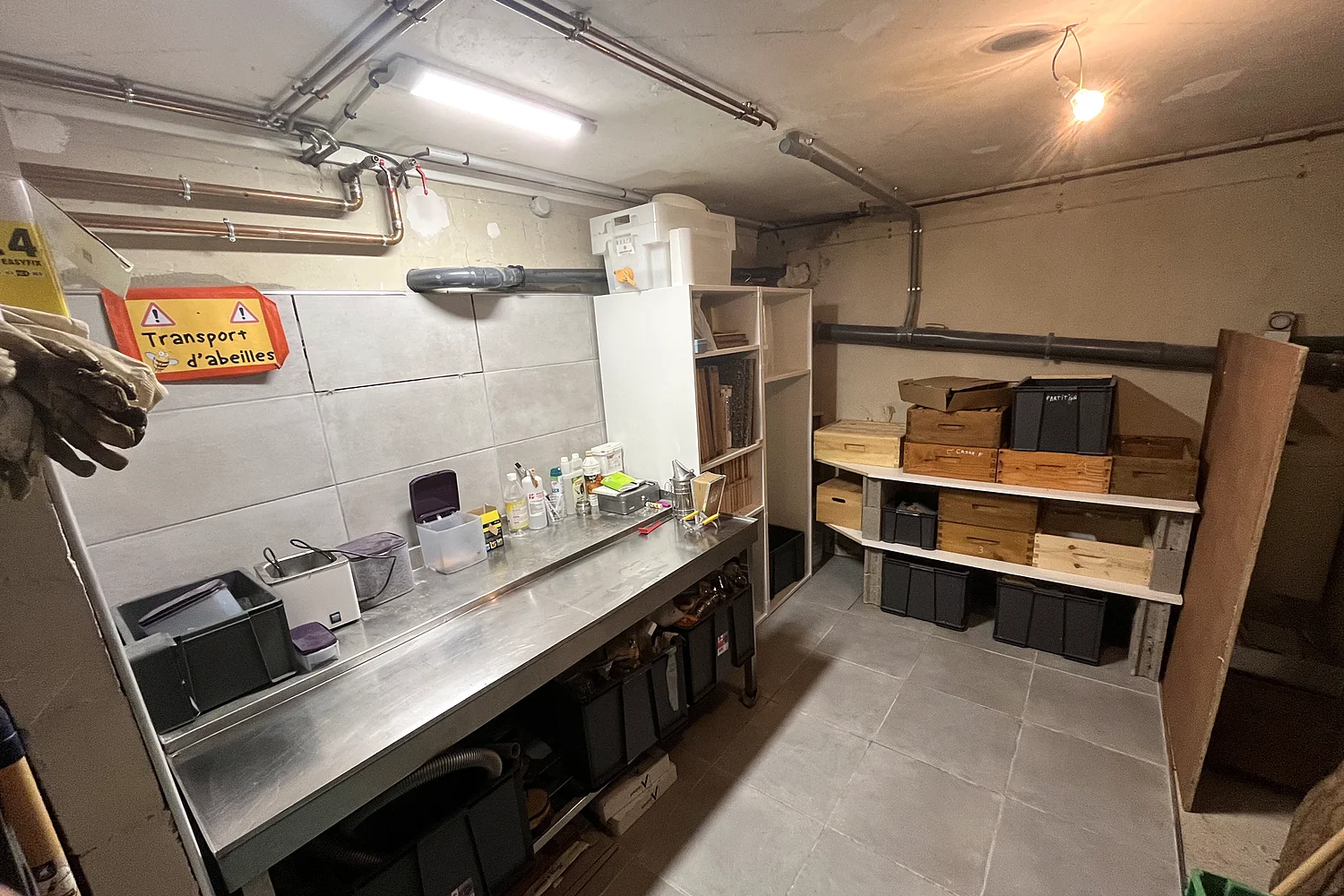
2023: Building the honey house (before and after)
This work let me create a workspace dedicated to beekeeping. Before that, the space held an old, unused fuel oil tank. I demolished the slab and the wall around the tank. To structure the space better, I added a wall on the left to define the area. Then I laid tiles, installed power sockets and added a light fitting to make the room usable.